


Writeo™ Pro set
Writeo™ Pro set
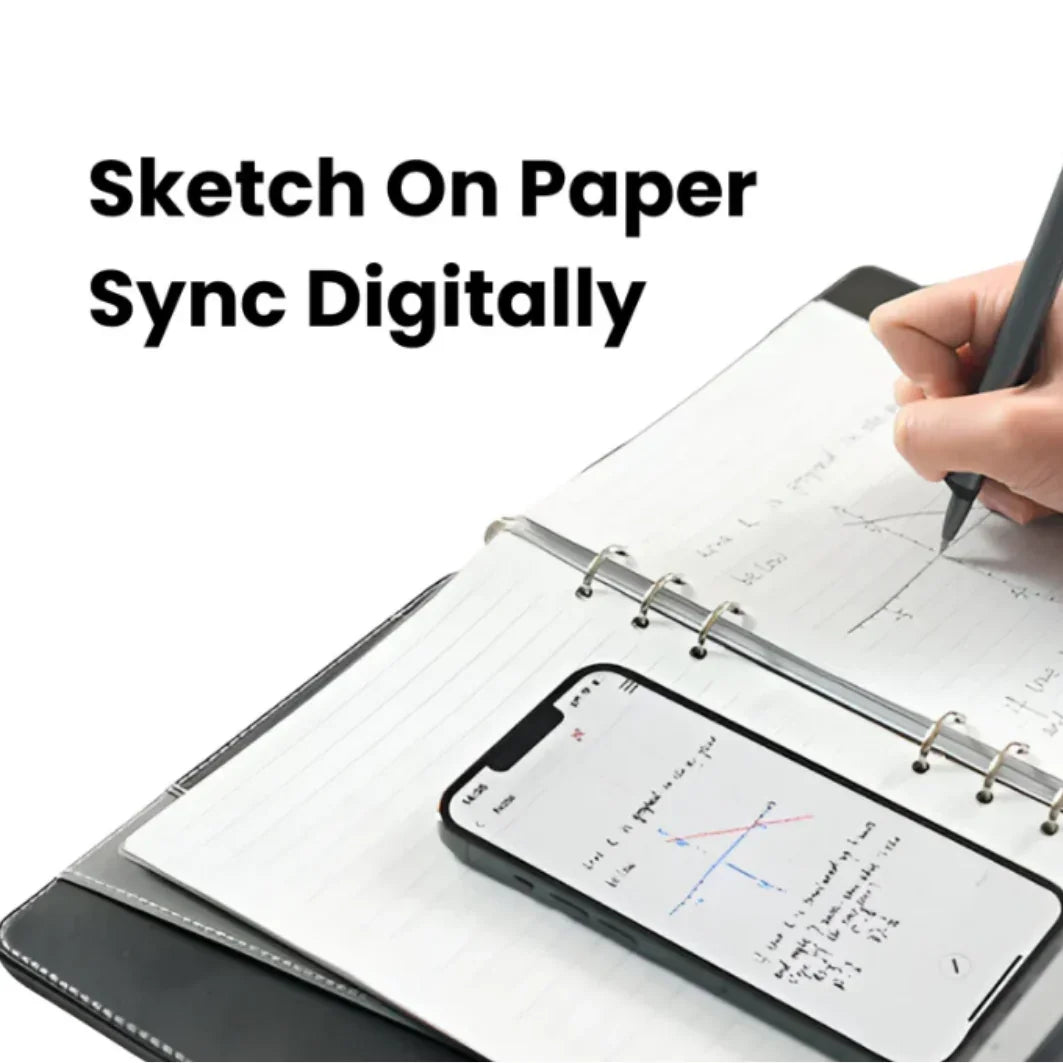
Write naturally, sync effortlessly, and stay organized anywhere.
📲 Instant Syncing
🧠Better Focus
📝Real Feel of Paper
🎒Portable Design
Writeo™ Pro set
Couldn't load pickup availability

Arrives in 4–10 business days
Shipping Policy
We offer fast and reliable international shipping.
📦 Estimated Delivery Times
Most US states, UK, Canada & Most EU Countries: 4–10 business days
Other Countries: Delivery may take a few days longer depending on local carriers and customs.
*The estimated delivery dates shown under the product are based on average delivery times to our fastest-shipping countries. If you're outside of these regions, your order may take a few extra days to arrive.
If you’re unsure or want an exact estimate for your country, feel free to reach out—we’re happy to help!

I love it, arrived super fast, well packed, product in excellent condition.

Really nice! Came with pen, stickers and instructions. I highly recommend!

Work's really well! Just don't forget to clean your wall before putting it on...

Two years in and it still looks brand new. Just ordered a second one for the other room.


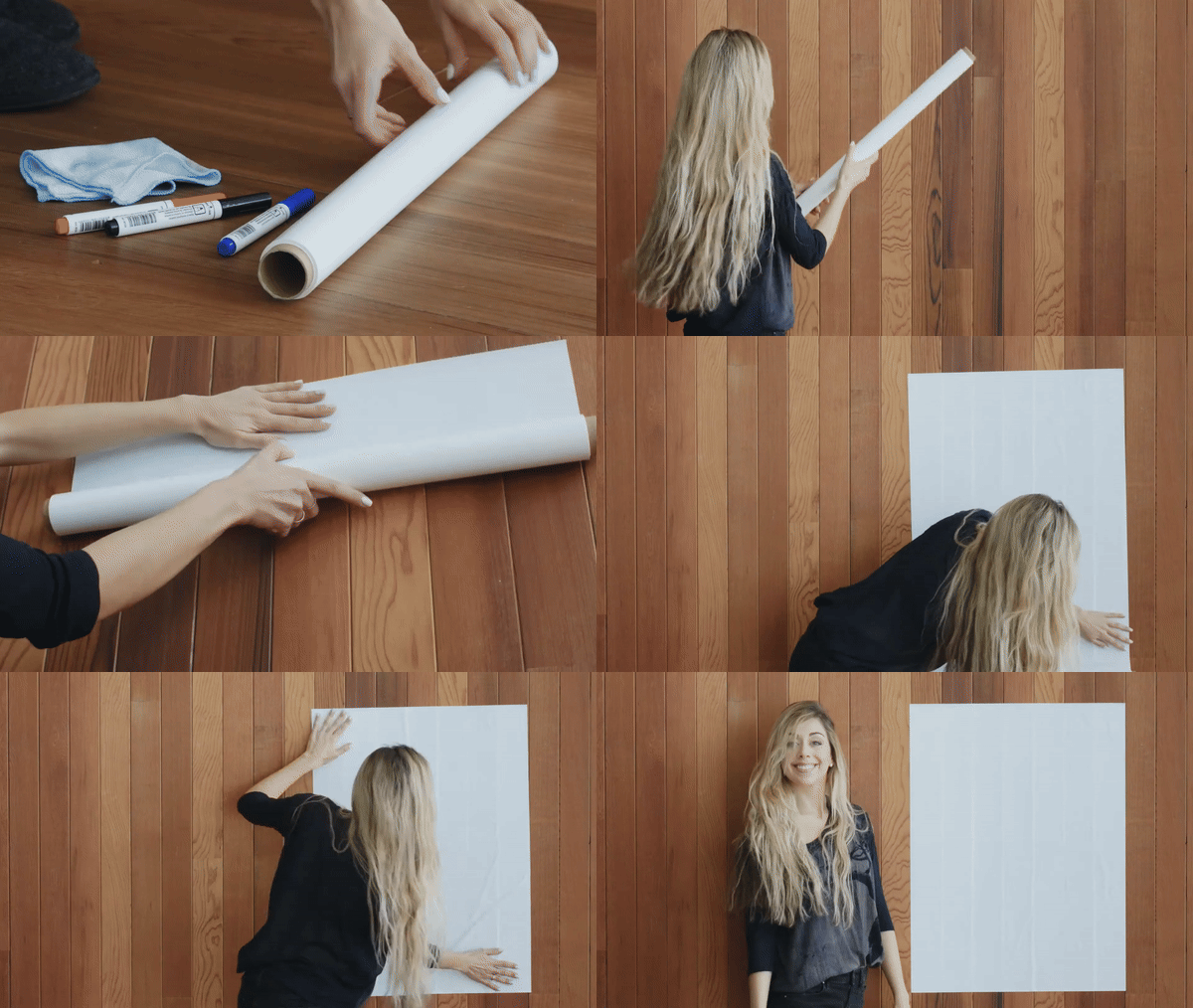
Quick & Easy Setup
No tools needed! Simply unroll, place, and smooth it onto the wall. Instantly ready to use in seconds. Perfect for offices, study spaces, and creative brainstorming.
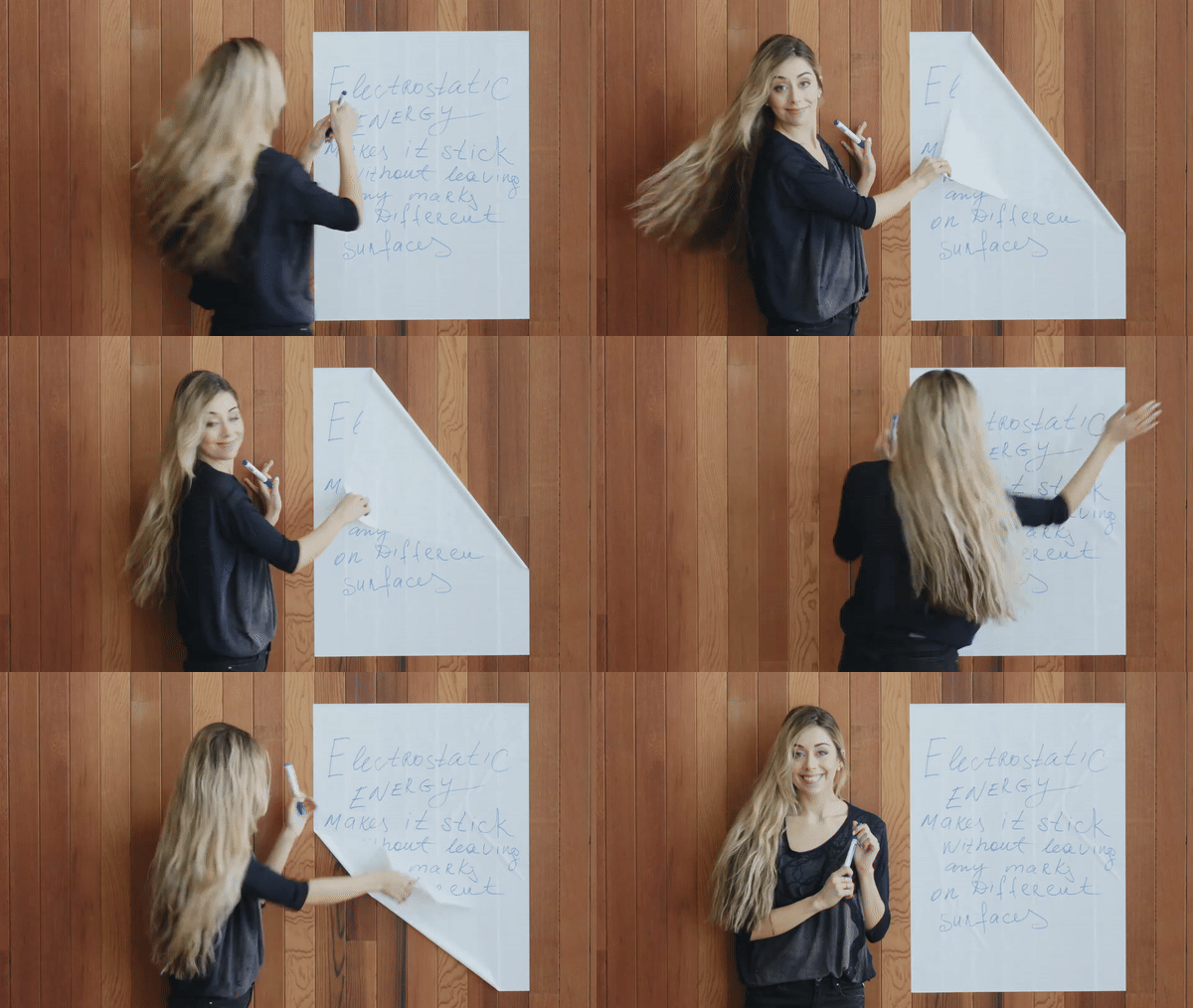
No Damage, No Residue
The Whiteboard sticks to any smooth surface using electrostatic energy, meaning no glue, no tape, and no drilling. It can be removed and repositioned without leaving marks or damaging walls.
WRITEO vs. Traditional Whiteboards
See why customers are switching to a damage-free, repositionable whiteboard.
Choice
- No Drilling, Screws, or Glue
- No Sticky Residue or Wall Damage
- Fully Repositionable & Removable
- Ready to Use in Minutes
- Safe for Renters & Landlords
- Requires Drilling, Screws, or Glue
- Leaves Sticky Residue or Wall Damage
- Permanent — Can't Be Repositioned
- Slow, Multi-Step Installation
- Risky for Rented Spaces
Watch The Transformation
Be More Organized
Drag to compare
Frequently Asked Questions
No. It clings using static, not glue or adhesive, so it won't peel paint, leave marks, or damage your wall. It lifts off cleanly whenever you're ready to remove or reposition it.
It works best on smooth, non-porous surfaces like painted drywall, tile, glass, and metal. It's not recommended for rough, heavily textured, or unpainted surfaces, since static cling needs a smooth surface to bond properly.
Yes. It's fully repositionable and reusable, so you can peel it off and stick it up again on another smooth surface.
Under 2 minutes. Just roll it out and place it on a smooth wall. No tools, no drilling, and no drying or curing time required.
Yes, any standard dry-erase marker works great. The surface wipes clean easily and is built to handle daily use without staining or ghosting.
Absolutely. Since there's no drilling, screws, or glue involved, it's completely landlord and renter friendly. You can remove it at move-out without leaving any trace.
Learning with Writeo©
Reported higher engagement with whiteboard activities.
Teachers said whiteboards helped assess learning better.
Scored better when using a whiteboard
Sources: EdWeek 2010; Marzano 2009; Macrie-Shuck 2021; Tsayang 2020; eSchool News 2009